What to Do When Your Engine Light Activates

Wayne Potts • May 18, 2026

When that orange light pops up on your dash while you're driving down Peachtree Industrial Blvd, it’s frustrating, but it doesn’t have to be a mystery. That "Check Engine" light is your vehicle’s way of telling you that something in its system needs a look.

At
Wayne's Auto Repair and Towing, Suwanee's trusted car repair shop, we've been helping our neighbors stay on the road for decades. We know that when a warning light comes on, you want straight answers and a reliable plan. This guide breaks down exactly what to do next, from simple checks you can do yourself to knowing when it’s time to call in the pros.

Action 1: Assess the Urgency (Steady vs. Flashing)

Modern cars use the engine light to tell you how urgent the problem is. Knowing the difference can save you from a massive repair bill.

The Steady Light

If the light is solid, your car has detected a problem that’s affecting your emissions or engine performance. You don't need to pull over on the shoulder of I-85 immediately, but you shouldn't ignore it. A steady light usually points to a failing sensor or a small leak that will eventually hurt your gas mileage and engine health.

The Flashing Light

A flashing check engine light indicates a Class A Misfire. This is an emergency where raw, unburned fuel is being dumped into the exhaust stream, where it can ignite inside your catalytic converter. This process can melt the converter in minutes. If you see a flashing light in Suwanee, pull
over safely and turn off the engine.

Need a tow? Call our 24/7 line at Wayne's Auto Repair and Towing for immediate help.

Action 2: Perform the "Gas Cap" and EVAP Check

The gas cap is part of your car’s fuel vapor system. If the cap is loose or the seal is cracked, the system thinks there’s a leak and trips the light.

If you just filled up at a station near Lawrenceville-Suwanee Rd and the light came on, pull over and make sure the cap is tight. It might take a few trips for the light to reset itself once the seal is good. If the light stays on, the problem might be a purge valve or another part of the EVAP system that needs a professional look.

Action 3: Deciphering Common Engine Codes
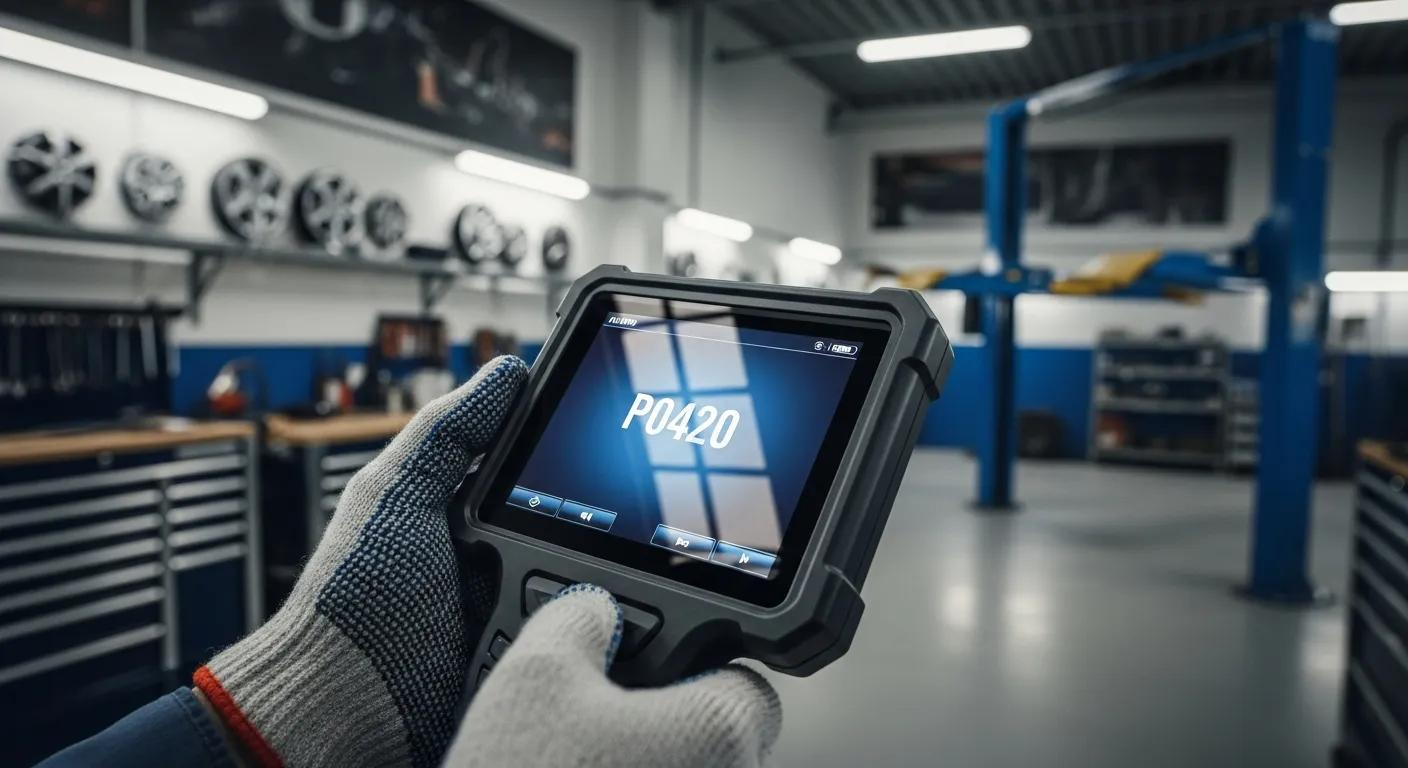
Gloved hands hold a rugged tablet in a workshop, displaying a blue diagnostics screen.

When we plug in our diagnostic equipment at Wayne's Auto Repair and Towing, we often see a few specific codes that tell a story about your car's health.


  • P0420 (Catalyst System Efficiency Below Threshold): This often means your catalytic converter isn't cleaning the exhaust properly. However, it can also be triggered by an exhaust leak or a faulty O2 sensor.

  • P0171 / P0174 (System Too Lean): Your engine is getting too much air and not enough fuel. This is common in Suwanee during high-pollen seasons when Mass Air Flow (MAF) sensors get dirty.

  • P0300 - P0308 (Engine Misfire Detected): This identifies which cylinder is misfiring. If you feel your car "shuddering" while accelerating onto Peachtree Industrial Blvd, this is likely the cause.

Action 4: The Georgia Emissions Factor (Readiness Monitors)
If you live in Gwinnett or Forsyth County, you know the yearly emissions test is mandatory. Simply clearing your engine light with a handheld tool won't help you pass.


When codes are cleared, your car's "Readiness Monitors" reset to "Not Ready." To pass, you have to complete a "Drive Cycle"—a specific mix of highway and city driving—so the computer can re-verify all systems.

If the underlying mechanical issue isn't fixed, the light will just pop back on halfway through your drive. We help Suwanee drivers ensure their monitors are "Ready" and their repairs are solid before they head to the testing station.

Action 5: Identify Local Factors and Common Failures

Our team sees the same few issues over and over again at our expert car repair shop in Suwanee. Here’s what’s likely going on:

The "Suwanee Humidity" Factor

Georgia’s humidity and rapid temperature swings can be tough on rubber components. A common situation we see in Suwanee involves a steady light that turns out to be a dry-rotted vacuum hose—a minor fix that could have caused a much more expensive lean-condition issue if left alone.

Spark Plugs and Ignition Coils

If these are worn out, your engine will misfire. For example, we often see local Ford F-150 owners whose trucks shudder under load due to a failed ignition coil. Replacing it immediately saves the catalytic converter from a $1,500+ replacement.

Action 6: Get a Professional Diagnosis (Not Just a Code)

You might be tempted to use a cheap code reader or go to a parts store for a free scan. Those tools give you a "P-code," which is just a symptom. At Wayne's Auto Repair and Towing, we don't just pull codes. We find the root cause.

We use specialized diagnostic tech to look at "Freeze Frame" data—showing us exactly what was happening the moment the light triggered. This prevents "parts swapping" and saves you money by fixing the right thing the first time.

Trust the Local Experts

An engine light is your car's way of asking for help. By acting fast—checking the gas cap and getting a professional diagnostic—you keep your car reliable and your repair costs low. Trust the family-owned team that knows Suwanee roads and the people who drive them.
Call Wayne's Auto Repair and Towing Today
Man with head on car hood; engine steaming.
By Wayne Potts February 12, 2026
Is your car overheating? Learn about common causes and quick solutions to keep your engine cool and running efficiently. Keep your car safe on the road!
Mechanic working on a car engine, holding a diagnostic tool.
By Wayne Potts November 12, 2025
Unlock the benefits of vehicle diagnostics over traditional inspections. Enhance accuracy, save time, and prolong your vehicle's life with modern technology.
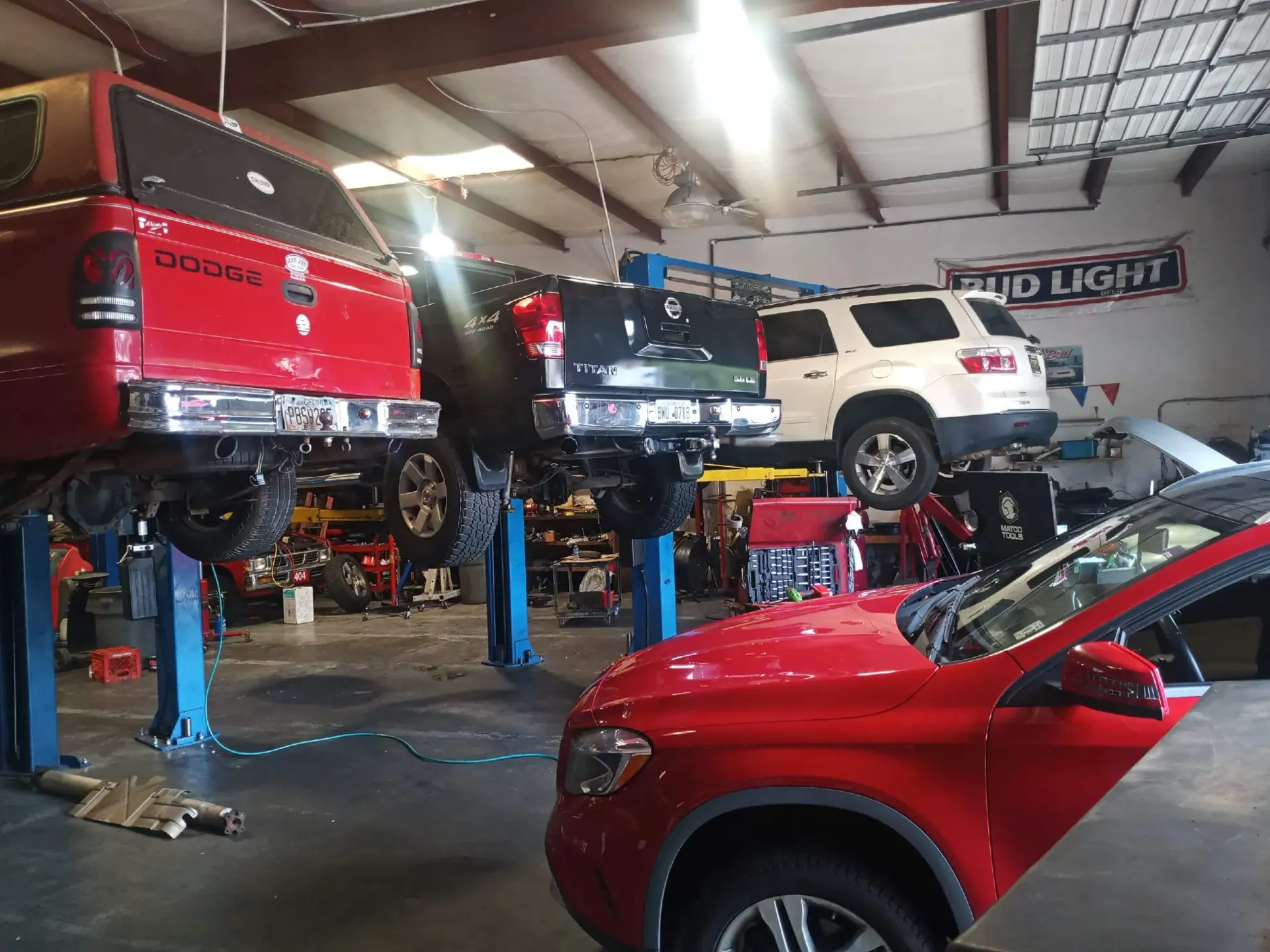
Cars on lifts inside a garage. Red, white, and black vehicles are being worked on.
By Wayne Potts August 25, 2025
Ensure your vehicle is ready for seasonal changes in Suwanee. Learn how weather affects car repairs and keep your ride in top shape all year round!
By Wayne Potts May 30, 2025
Learn how to spot common car warning signs before they lead to a breakdown. Use this simple checklist to know when it's time to visit an auto repair shop.
By Wayne Potts February 21, 2025
Get your car ready for spring break with this essential checklist. Learn how to prepare for a safe, smooth road trip. Book your inspection today!
A dark warehouse with a lot of lights on the ceiling.
By Wayne Potts November 18, 2024
Your brakes are your first line of defense on the road. Knowing when to visit an auto repair shop for brake issues could mean the difference between a safe drive and an emergency. You want peace of mind every time you step on the brakes, which requires a clear understanding of warning signs. In this guide, we’ll cover the telltale signs of brake problems, why timely automotive repair is essential, and how handling brake issues sooner rather than later could save you from more expensive repairs. Why Your Brakes Matter Every driver knows brakes are vital, but understanding why makes a difference. When you press the brake pedal of your light truck, for example, a series of mechanical reactions brings it to a stop, transferring kinetic energy into heat through friction. This friction, however, takes a toll. Over time, brake pads wear down, hydraulic fluids lose their effectiveness, and rotors can warp or wear unevenly. Without regular inspections and timely repairs by an experienced auto mechanic, these systems can degrade, leading to reduced stopping power. That’s why it’s crucial to address warning signs as soon as they appear. Having this information about your brake system is essential for preventing issues before they escalate. Signs You Should Visit an Auto Repair Shop for Brake Issues Understanding warning signs can keep minor problems from escalating into major safety risks. Here are some key indicators that your brakes may need professional attention at a car repair shop. 1. Squealing or Grinding Noises One of the first signs of brake wear is noise. If you hear a high-pitched squeal when braking, it’s usually a signal that your brake pads are reaching their limit. Many modern brake pads have wear indicators - metal components designed to create this sound when the pads get thin. Grinding sounds, on the other hand, suggest that the pads have worn completely down, leaving metal-on-metal contact, which can damage your rotors. Why Noise Matters When metal components rub together, they produce excessive heat, which can damage essential parts. The cost of replacing rotors is significantly higher than replacing brake pads, making it essential to address these noises early. 2. Vibrations or Shaking When Braking If your vehicle vibrates or shakes when you apply the brakes, it’s often due to uneven rotor wear. Warped or damaged rotors can cause inconsistent contact with the brake pads, leading to a pulsating sensation. Causes of Rotor Warping Rotors warp from intense heat, usually caused by frequent heavy braking or prolonged downhill driving. Worn-out suspension components can also add stress to the brakes, increasing the chance of vibration. 3. Spongy or Soft Brake Pedal A soft or “spongy” brake pedal may indicate air in the brake lines or low brake fluid levels. Air in the lines can compromise brake pressure, leading to reduced braking efficiency. Alternatively, a spongy pedal could signal a brake fluid leak. Addressing Brake Fluid Issues Low brake fluid not only affects braking performance but also introduces air, increasing the risk of complete brake failure. It’s critical to have this issue inspected immediately to maintain safe brake pressure. 4. Vehicle Pulls to One Side When Braking If your car veers to one side during braking, it’s likely due to uneven brake pad wear or a malfunctioning caliper. This pulling effect can also indicate an alignment problem, which can worsen over time and lead to accelerated tire wear. Why You Shouldn’t Ignore Pulling Driving with misaligned brakes is dangerous. Ignoring this issue could lead to longer stopping distances and loss of control. 5. Burning Smell When Braking A sharp, burning odor after braking could indicate overheating brakes. This often occurs after excessive use, like driving down a steep hill or stopping frequently in heavy traffic. Overheating causes brake fluid to boil, leading to reduced braking effectiveness and even potential brake failure. Preventing Overheating To avoid overheating, avoid “riding” your brakes and practice engine braking when driving downhill. If you notice a burning smell, allow the brakes to cool before continuing. The Importance of Timely Brake Repairs Delaying brake repairs can lead to escalating costs and increased risks on the road. Worn brakes reduce stopping power, creating a greater risk of accidents. In addition, minor issues like worn pads or fluid leaks can turn into expensive repairs if left unchecked. Cost Comparisons of Delayed Repairs For example, replacing worn brake pads costs between $100–$300 per axle, while rotor replacement could set you back over $400 per axle. Ignoring early signs can lead to brake caliper or master cylinder damage, pushing repair costs into the thousands. How Regular Maintenance Helps You Avoid Brake Issues Preventive maintenance saves time, money, and ensures peace of mind. A scheduled brake vehicle inspection, typically recommended every 12,000 miles or once a year, can catch minor wear before it turns into a major problem. By staying proactive, you’re less likely to face unexpected breakdowns or dangerous situations on the road. Benefits of Routine Brake Inspections Routine checks can help identify issues like fluid leaks, rotor wear, or even alignment problems. During an inspection, technicians assess each component for wear and tear, so you’ll know what needs immediate attention. Choosing a Reliable Auto Repair Shop for Brake Services When looking for a reliable auto shop, choose one with experienced technicians and a reputation for customer satisfaction. Brake systems require specialized knowledge and equipment, so it’s important to rely on professionals who understand the latest automotive industry standards for tasks like transmission repair. Conclusion Understanding when to visit an auto repair shop in Buford for brake issues is essential to driving safely and protecting your vehicle. From squealing sounds to a spongy brake pedal, these warning signs should never be ignored. Regular maintenance and timely repairs not only keep your vehicle running smoothly but also protect you and others on the road. If you’re experiencing any of these signs, Wayne’s Auto & Truck Repair is here to help. Our experienced technicians use advanced technology to diagnose and resolve brake issues promptly, ensuring you’re back on the road with confidence. Don’t wait until a minor issue becomes a major problem. Contact us today, or drop by to discuss any concerns. Let us keep you and your vehicle safe every mile of the way.
A woman is driving a convertible car down a country road.
By Wayne Potts August 20, 2024
Want to keep your car running smoothly this summer? Learn how with this car care checklist from a trusted auto repair shop. Click to get tips and benefits now!
The hood of a car is open and smoke is coming out of it.
By Wayne Potts May 20, 2024
Learn 6 unsuspected ways you could be harming your car, and how preventative maintenance from Wayne's Auto & Truck Repair can keep it healthy.
a man is working on the engine of a car in a garage .
By Wayne Potts February 13, 2024
Learn how to safely and confidently tackle DIY car repairs at home with these 5 easy steps.
vehicle on snowy road
By Wayne Potts December 1, 2023
Going on a Christmas trip? Here are some essential tips to follow before you hit the road.