
Why Your Car Overheats — Causes, Early Signs, and What to Do
An overheated engine can quickly lead to major damage if not addressed promptly.
This guide covers common causes, early warning signs, immediate actions, and how Wayne's Auto & Truck Repair, a trusted car repair shop, can help.
TL;DR — Why Your Car Overheats — Causes, Early Signs, and What to Do
- Most overheating starts in the cooling system—low coolant, leaks, or a stuck thermostat
- Watch the temp gauge; normal is ~195–220°F—if it trends hot or red, pull over
- Steam, a sweet antifreeze smell, or knocking noises signal damage—stop driving immediately
- Cool down safely for ~30 minutes; never open a hot radiator cap; add coolant only when cool
- Wayne's Auto & Truck Repair in Suwanee diagnoses leaks, radiators, thermostats, and performs flushes
What Are the Common Causes of Engine Overheating?
Overheating typically stems from cooling system problems. Identifying the cause early prevents engine damage and reduces repair costs.
How Do Low Coolant Levels Lead to Overheating?

Coolant absorbs and transfers engine heat. Low levels prevent effective circulation, causing engine temperature to rise.
Signs include a high temperature gauge or puddles under your car. Unchecked, low coolant can warp cylinder heads or blow a head gasket. These costly repairs are avoidable with routine checks.
Research shows engine components suffer serious damage quickly if coolant is lost, making regular top-ups crucial.
Engine Overheating: Causes, Coolant Loss, and Cylinder Head Damage
For experts assessing a vehicle after overheating, tracing the root cause is challenging. This study models engine failure during overheating, especially when coolant is lost quickly. In passenger cars with conventional cooling systems (single-pass thermostat and bypass), a sudden drop in coolant can stop circulation through the main loop. This leaves combustion chambers exposed to extreme temperatures, damaging chamber walls and seats, while pistons show thermal damage later. The analysis found that thermal harm to the cylinder head can begin within about 10 seconds after coolant circulation fails.
What Are the Signs of a Faulty Thermostat?

The thermostat regulates coolant flow. If stuck closed, coolant can't circulate, causing overheating.
Signs include a fluctuating or consistently high temperature gauge, rough idling, or reduced performance. Have it checked promptly; a simple replacement prevents larger problems.
A malfunctioning thermostat causes wide temperature swings and localized boiling, damaging internal parts.
Thermostat's Role in Engine Cooling & Overheating Damage
The thermostat shortens warm-up time and keeps the engine at the right operating temperature. If it malfunctions, coolant temperature can oscillate sharply, disrupting temperature control and allowing fluid to boil in hot spots. This increases the chance of damage to internal engine components.
How Can You Recognize Car Overheating Symptoms Early?
Early detection of overheating saves time and money. Learn the warning signs to prevent minor issues from becoming major repairs.
What Does a Rising Temperature Gauge Indicate?
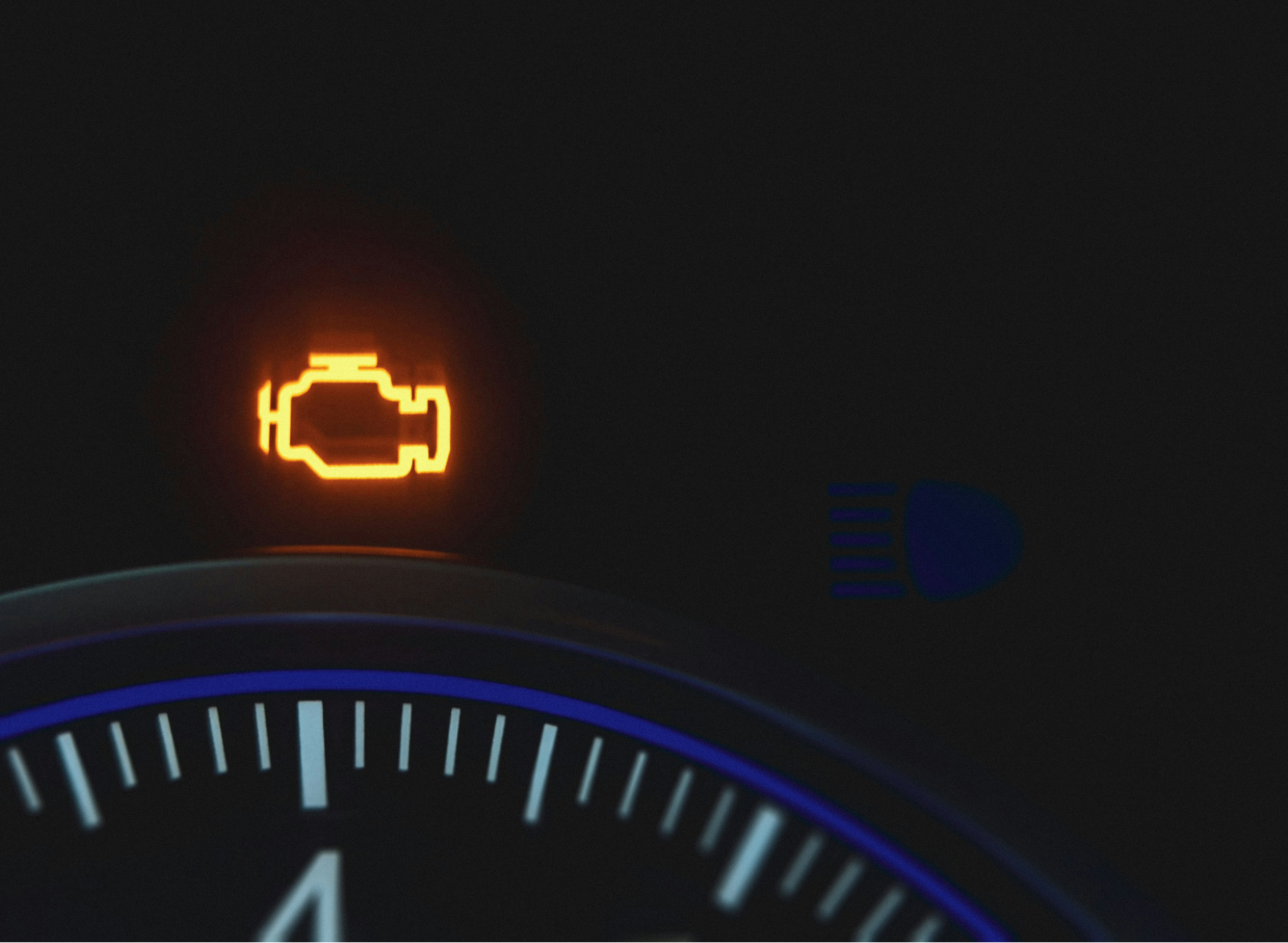
Your temperature gauge is a primary defense. Engines normally operate between 195°F and 220°F.
If the needle climbs into the red zone, pull over safely. Ignoring a hot gauge risks catastrophic engine failure; treat any steady rise as serious.
How to Identify Steam, Smells, and Engine Noises Related to Overheating?
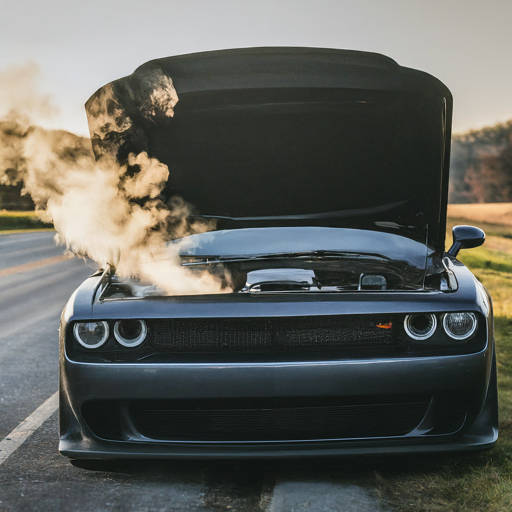
Other red flags include steam or white vapor from under the hood (boiling coolant), a sweet smell (antifreeze), or burning odors.
Strange engine noises—knocking, pinging, or metallic sounds—indicate internal damage. Stop driving immediately and seek assistance to limit further harm.
What Immediate Actions Should You Take When Your Car Overheats?
Quick, safe action prevents overheating from escalating. Follow these steps if your car runs hot.
How to Safely Pull Over and Cool Down Your Engine?
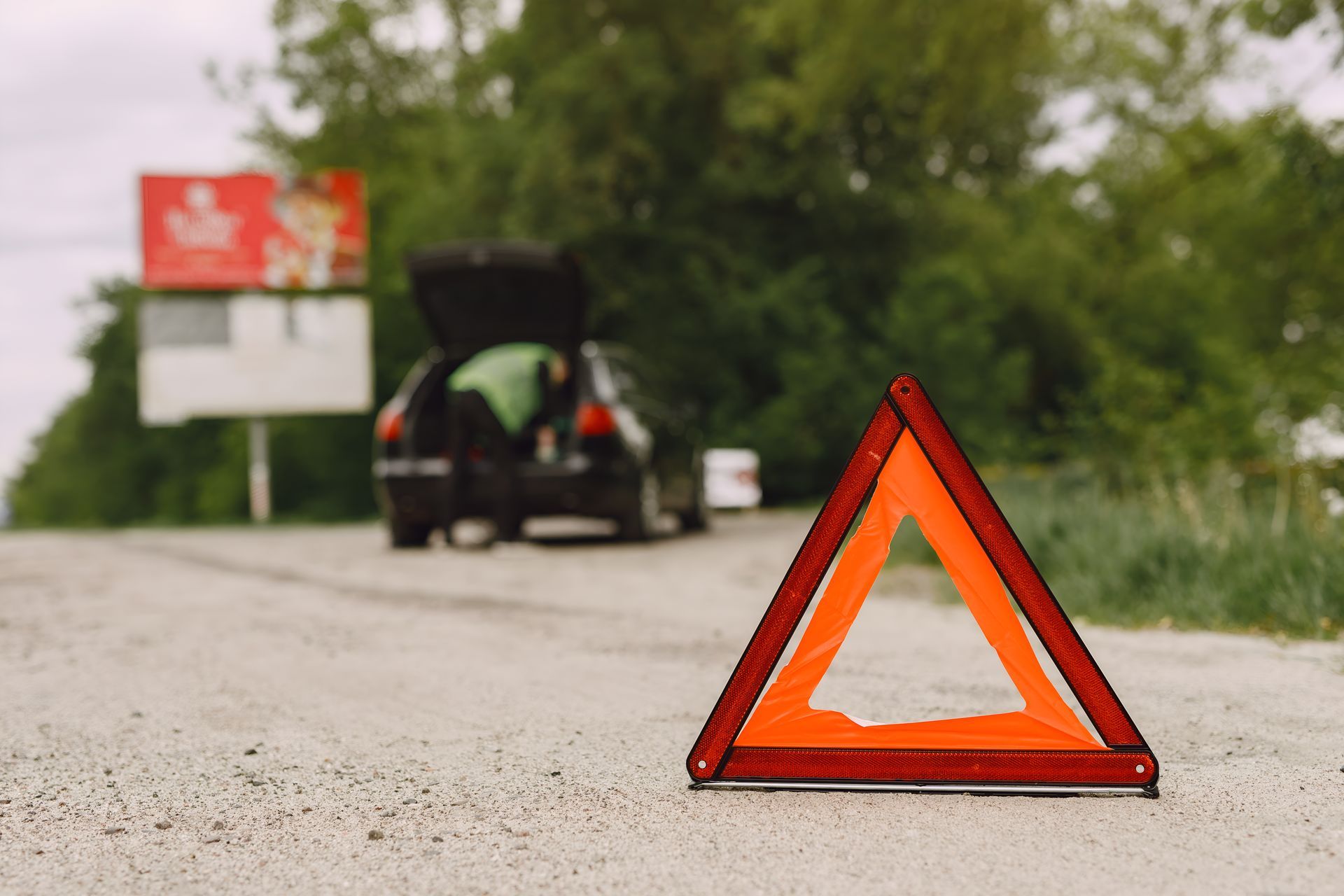
Pull over safely and turn off the engine. Allow 30 minutes for cooling before opening the hood.
Opening the hood helps heat escape. Never open the radiator cap while hot; steam and coolant can cause severe burns. Once cool, check coolant levels and scan for leaks.
What Temporary Fixes Can Prevent Further Damage?
For short distances, adding coolant or water (only when cool) offers temporary relief. Turning the heater on full blast also helps lower engine temperatures briefly.
These are stopgap measures; have a professional inspect the vehicle as soon as possible.
How Can Wayne's Auto & Truck Repair Help with Overheating Issues?
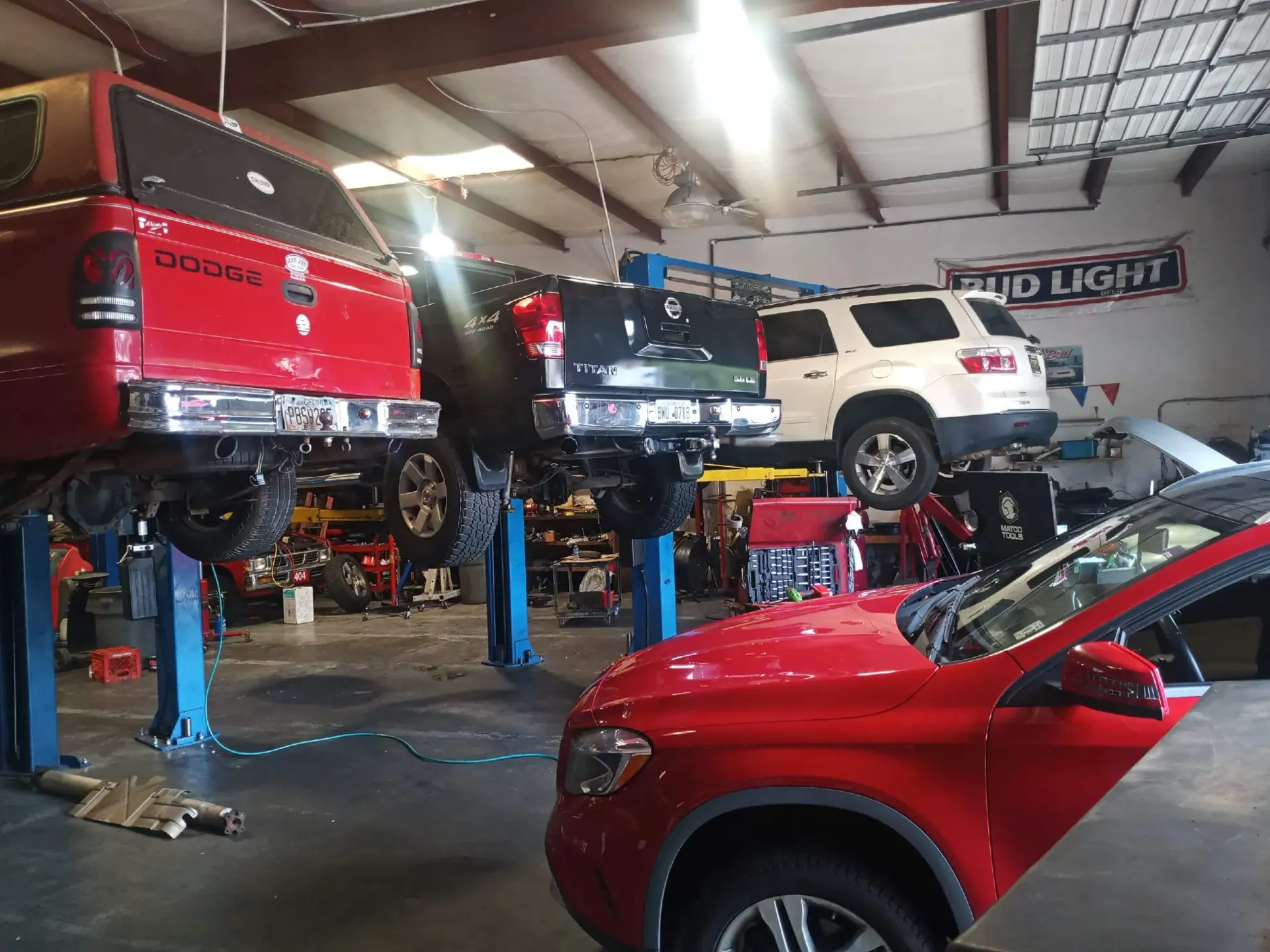
Wayne's Auto & Truck Repair diagnoses and repairs overheating problems for all vehicles. Our experienced technicians at our
car repair shop in Suwanee accurately identify and fix the root cause, getting you back on the road confidently.
What Cooling System Repair Services Are Offered in Suwanee, GA?
We offer comprehensive cooling system services in Suwanee: radiator replacement, thermostat service, coolant flushes, hose and water pump repairs, and more. Our focus is reliable, prompt service to keep your cooling system healthy and your car running smoothly.
How Does the Diagnostic and Repair Process Work at Wayne's?
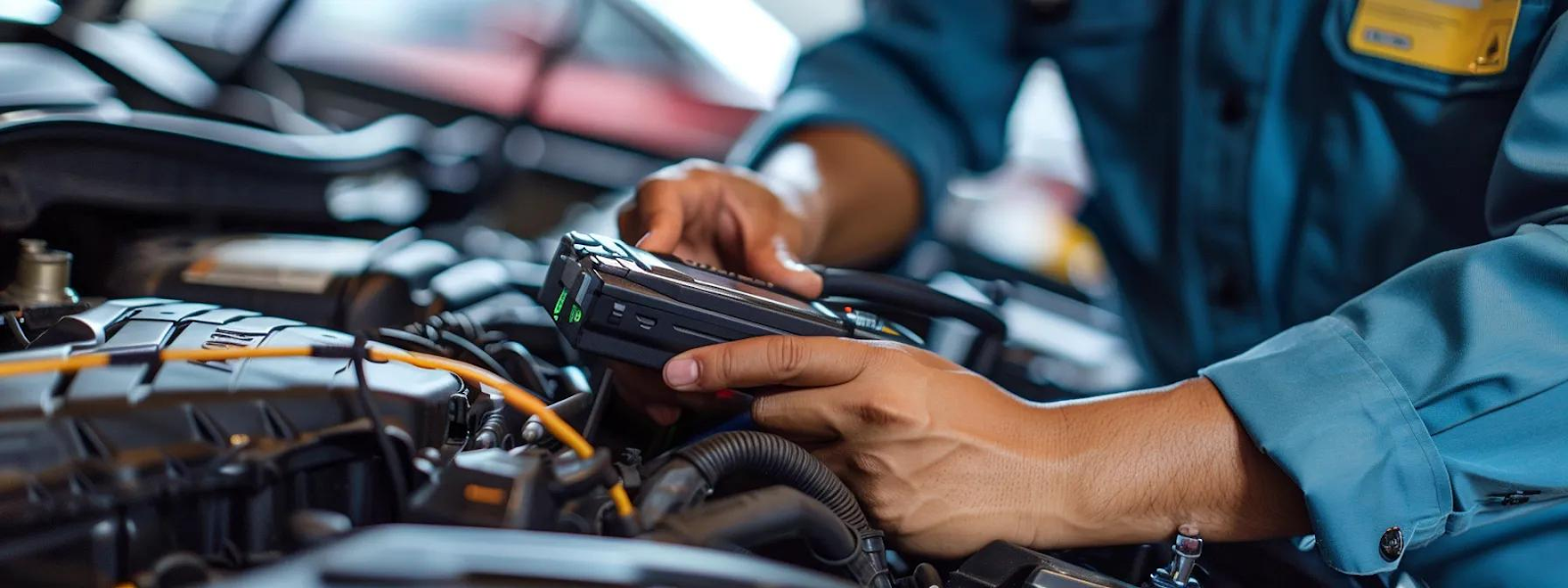
Bring your vehicle for a thorough cooling system check. Using advanced diagnostic tools, we pinpoint issues, then provide a clear estimate and repair plan.
Our goal is efficient resolution and clear communication throughout the process.
Conclusion
Understanding engine overheating and spotting early warning signs can prevent costly major repairs.
Act at the first sign of trouble. Trust Wayne's Auto & Truck Repair for accurate diagnostics and dependable cooling system repairs. Schedule an appointment today to protect your engine and keep your vehicle running smoothly.